2F Betty Bldg., 105 Hayes St. cor. Velez St., Cagayan de Oro City Mon–Sat · 9:30 AM–12:00 NN · 2:00–6:00 PM
Cosmetic

Teeth Whitening for Sensitive Teeth: Tips and Tricks for a Pain-Free Experience

Ever felt a sharp pang of pain when you bite into ice cream or sip a cold drink? You're not alone! Sensitive teeth are a common issue, and for many people, it can make the idea of teeth whitening seem daunting.

Sia-Tankiko Dental Clinic · November 18, 2024 · 4 min read
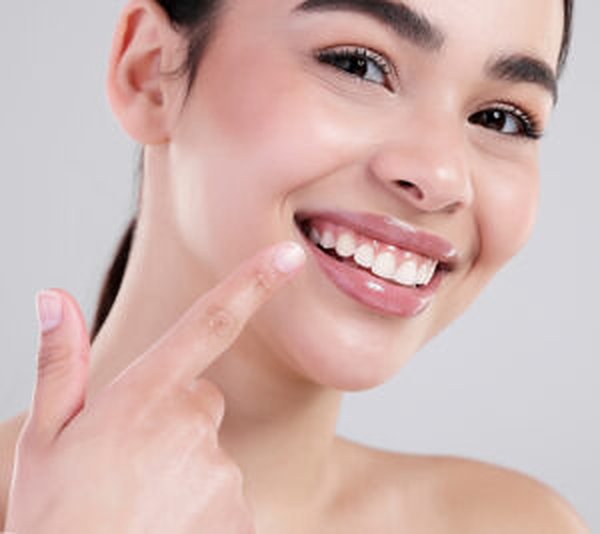
A smiling woman pointing to her teeth

Why do my teeth hurt?

It all comes down to the structure of your teeth. Beneath the enamel (the hard outer layer), there's a layer called dentin. Dentin contains tiny tubules that lead to the nerve inside your tooth. When the enamel wears down or the gums recede, these tubules can become exposed, making your teeth more sensitive to hot, cold, sweet, or acidic foods and drinks.

Now, here's where teeth whitening comes into play. While whitening can give you a dazzling smile, it can sometimes make sensitivity worse. Why? The whitening process can temporarily open up those tiny tubules in the dentin, making your teeth more susceptible to pain.

Think of it like this: imagine your teeth as tiny towers with exposed foundations. When those foundations are exposed, they're more vulnerable to pain. Whitening can be like a little windstorm that blows on those exposed foundations, making them even more sensitive.

Tips for minimizing sensitivity during whitening

Tip 1: Choose a whitening system designed for sensitive teeth

The first step is to choose a whitening system that's specifically formulated for sensitive teeth. These products often contain ingredients that help protect your teeth and minimize discomfort. Look for keywords like “sensitive teeth,” “desensitizing,” or “gentle whitening” on the packaging.

Tip 2: Pre-treat with a desensitizing toothpaste

Before you start whitening, consider using a desensitizing toothpaste for a few days or weeks leading up to your treatment. Desensitizing toothpastes contain ingredients that block those tiny tubules in the dentin, helping to reduce sensitivity. Think of it as giving your teeth a little extra armor before they go into battle with whitening!

Tip 3: Start with shorter whitening sessions

Don't jump right into a full-blown whitening marathon! Start with shorter whitening sessions and gradually increase the time as your teeth adjust. Imagine starting a new exercise routine — you wouldn't run a marathon on day one, right? The same principle applies to teeth whitening.

Tip 4: Use a cooling gel or rinse

If you do experience sensitivity, a cooling gel or rinse can help soothe your teeth and provide relief. These products contain ingredients that create a cooling sensation, which can help numb the nerves and reduce discomfort.

Tip 5: Avoid cold foods and drinks

While you're whitening, try to avoid cold foods and drinks, as these can trigger sensitivity. Stick to warm or room-temperature foods and beverages until your teeth have adjusted — for example, instead of a cold smoothie, enjoy a warm cup of tea.

Professional whitening for sensitive teeth

If you're looking for a truly comfortable and effective whitening experience, consider professional whitening at Sia-Tankiko Dental Clinic. We can provide a personalized treatment plan to address your specific needs. Here's why professional whitening is a great option for people with sensitive teeth:

  • Specialized products and techniques: we use professional-grade whitening products that are designed to be gentle on sensitive teeth, along with techniques such as desensitizing agents that can help minimize discomfort.
  • Personalized treatment plans: we'll work with you to create a customized plan that takes your sensitivity level into account, starting with shorter sessions and gradually increasing the time as your teeth adjust.
  • Experienced dentists: our team will carefully monitor your comfort level throughout the process and make adjustments as needed.

Recap

  1. Choose a whitening system designed for sensitive teeth.
  2. Pre-treat with a desensitizing toothpaste.
  3. Start with shorter whitening sessions.
  4. Use a cooling gel or rinse.
  5. Avoid cold foods and drinks.
  6. Consider professional whitening at our clinic.

Related serviceRestorative & Cosmetic
Your first check-up is freeBook a visit, or call us on +63 955-566-7736. Book Appointment
Cosmetic

Teeth Whitening for Sensitive Teeth: Tips and Tricks for a Pain-Free Experience

Ever felt a sharp pang of pain when you bite into ice cream or sip a cold drink? You're not alone! Sensitive teeth are a common issue, and for many people, it can make the idea of teeth whitening seem daunting.

Sia-Tankiko Dental Clinic · November 18, 2024 · 4 min read
A smiling woman pointing to her teeth

Why do my teeth hurt?

It all comes down to the structure of your teeth. Beneath the enamel (the hard outer layer), there's a layer called dentin. Dentin contains tiny tubules that lead to the nerve inside your tooth. When the enamel wears down or the gums recede, these tubules can become exposed, making your teeth more sensitive to hot, cold, sweet, or acidic foods and drinks.

Now, here's where teeth whitening comes into play. While whitening can give you a dazzling smile, it can sometimes make sensitivity worse. Why? The whitening process can temporarily open up those tiny tubules in the dentin, making your teeth more susceptible to pain.

Think of it like this: imagine your teeth as tiny towers with exposed foundations. When those foundations are exposed, they're more vulnerable to pain. Whitening can be like a little windstorm that blows on those exposed foundations, making them even more sensitive.

Tips for minimizing sensitivity during whitening

Tip 1: Choose a whitening system designed for sensitive teeth

The first step is to choose a whitening system that's specifically formulated for sensitive teeth. These products often contain ingredients that help protect your teeth and minimize discomfort. Look for keywords like “sensitive teeth,” “desensitizing,” or “gentle whitening” on the packaging.

Tip 2: Pre-treat with a desensitizing toothpaste

Before you start whitening, consider using a desensitizing toothpaste for a few days or weeks leading up to your treatment. Desensitizing toothpastes contain ingredients that block those tiny tubules in the dentin, helping to reduce sensitivity. Think of it as giving your teeth a little extra armor before they go into battle with whitening!

Tip 3: Start with shorter whitening sessions

Don't jump right into a full-blown whitening marathon! Start with shorter whitening sessions and gradually increase the time as your teeth adjust. Imagine starting a new exercise routine — you wouldn't run a marathon on day one, right? The same principle applies to teeth whitening.

Tip 4: Use a cooling gel or rinse

If you do experience sensitivity, a cooling gel or rinse can help soothe your teeth and provide relief. These products contain ingredients that create a cooling sensation, which can help numb the nerves and reduce discomfort.

Tip 5: Avoid cold foods and drinks

While you're whitening, try to avoid cold foods and drinks, as these can trigger sensitivity. Stick to warm or room-temperature foods and beverages until your teeth have adjusted — for example, instead of a cold smoothie, enjoy a warm cup of tea.

Professional whitening for sensitive teeth

If you're looking for a truly comfortable and effective whitening experience, consider professional whitening at Sia-Tankiko Dental Clinic. We can provide a personalized treatment plan to address your specific needs. Here's why professional whitening is a great option for people with sensitive teeth:

  • Specialized products and techniques: we use professional-grade whitening products that are designed to be gentle on sensitive teeth, along with techniques such as desensitizing agents that can help minimize discomfort.
  • Personalized treatment plans: we'll work with you to create a customized plan that takes your sensitivity level into account, starting with shorter sessions and gradually increasing the time as your teeth adjust.
  • Experienced dentists: our team will carefully monitor your comfort level throughout the process and make adjustments as needed.

Recap

  1. Choose a whitening system designed for sensitive teeth.
  2. Pre-treat with a desensitizing toothpaste.
  3. Start with shorter whitening sessions.
  4. Use a cooling gel or rinse.
  5. Avoid cold foods and drinks.
  6. Consider professional whitening at our clinic.

Related serviceRestorative & Cosmetic
Your first check-up is free

Book a visit and ask your dentist anything.

Book Appointment Call +63 955-566-7736

Keep reading

How to Overcome Dental Anxiety: Tips for a Relaxing Visit Foods Friendly for Your Teeth: A Dental-Friendly Diet How to Prevent Bad Breath: Effective Tips for Fresh Breath All Day All articles