When you may need a root canal
When the nerve inside a tooth is infected or inflamed, root canal treatment can stop the pain and keep the tooth.
 Lasting toothachePain that lingers or wakes you at night.
 Sensitivity to hot & coldSharp pain that stays after the food or drink is gone.
 Swollen or tender gumsSwelling, a pimple on the gum or tenderness when biting.
 A darkening toothDiscolouration that can signal a damaged nerve.
 Deep decayA cavity that has reached the inner part of the tooth.
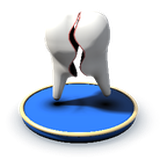 Cracked or injured toothDamage that exposes the nerve to infection.
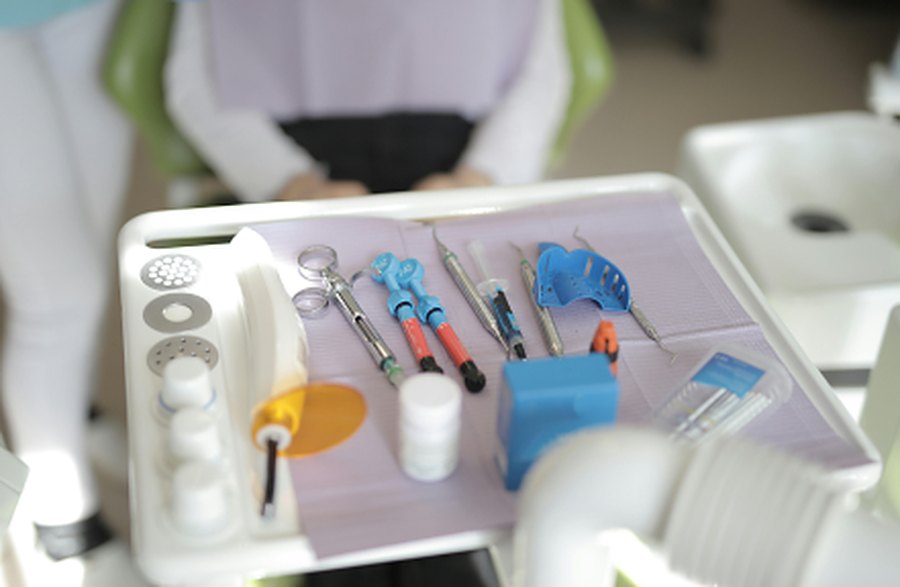
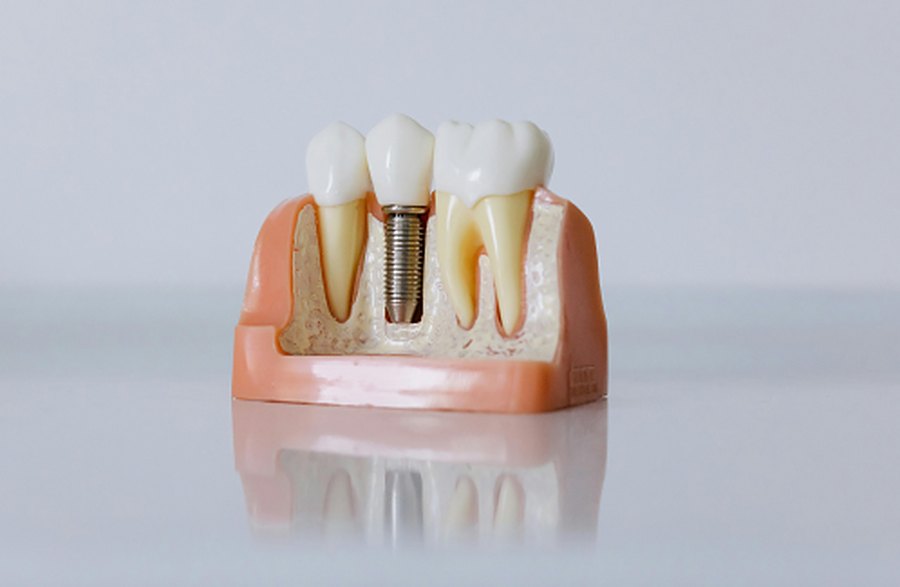
Saving teeth worth keeping
- Infected or deeply decayed teethTreatment removes infection and stops it spreading.
- Cracked or injured teethProtects a damaged tooth before problems grow.
- Anyone hoping to avoid an extractionKeeping your natural tooth is usually the best option.
Your treatment, step by step
- 1
Exam & X-ray
We confirm the cause of pain and check the roots.
- 2
Numbing
Local anaesthesia keeps you comfortable throughout.
- 3
Cleaning the canals
Infected tissue is removed and the canals are shaped and cleaned.
- 4
Filling & sealing
Canals are filled and sealed to keep bacteria out.
- 5
Restoring the tooth
A filling or crown protects the tooth for everyday use.
- 6
Follow-up
We check healing and make sure you're comfortable.
Keep your natural smile
 Relief from pain
- Keeps your natural tooth
- Comfortable chewing
- Stops infection spreading
- A natural look
- Long-lasting results

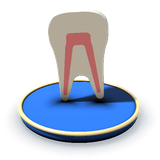 Precise, comfortable careCurrent techniques and magnification for accuracy.
Root canal questions
Ask us anything at your visit — or message us beforehand.
Message on FacebookThe tooth is numbed first, so most patients feel little more than during a filling. It usually relieves the pain you came in with.
Some teeth can be treated in one visit; others need more. We'll tell you what to expect after your exam.
Often, especially for back teeth. A crown protects a treated tooth from cracking. We'll advise you on your case.
Infection can spread, cause swelling and pain, and the tooth may eventually need to be removed.
Avoid chewing hard foods on it until it's fully restored, and keep brushing and flossing as usual.